
CANADIAN, Texas (KFDA) - Wyatt Davis has been playing football since kindergarten. Sitting in his living room, he said “I eat, live and breathe football.” Anyone who’s seen him play can attest that he’s telling the truth.
His family originally moved to Canadian in 2020 for Wyatt to play football, and he’s been terrorizing opponents ever since. In his senior season, he became the Wildcats’ all-time leading tackler: no small feat in a program with the most state titles in the Texas Panhandle.
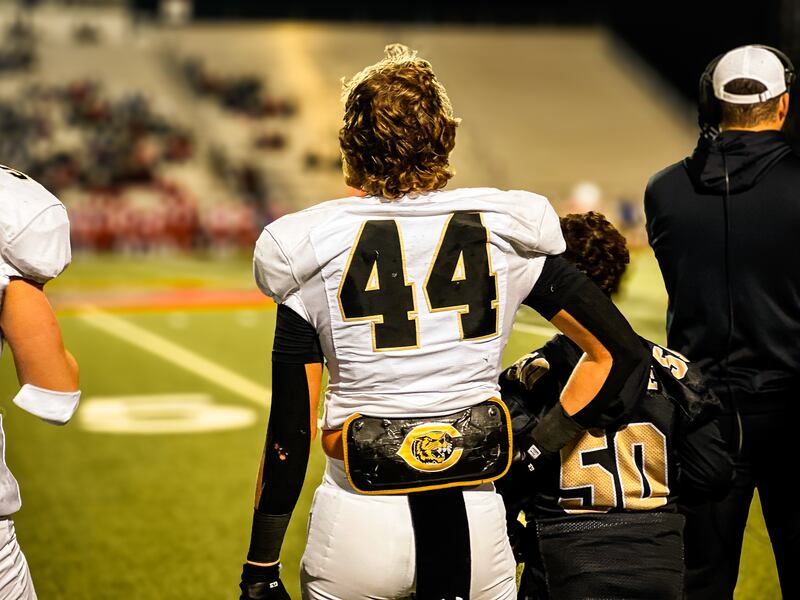
However, five games into his final season, it wasn’t the opposing quarterback’s world that came crashing down. It was Wyatt’s. He began experiencing vision problems in the classroom and on the practice field. When contacts didn’t make a difference, he began to fear the severity of the situation.
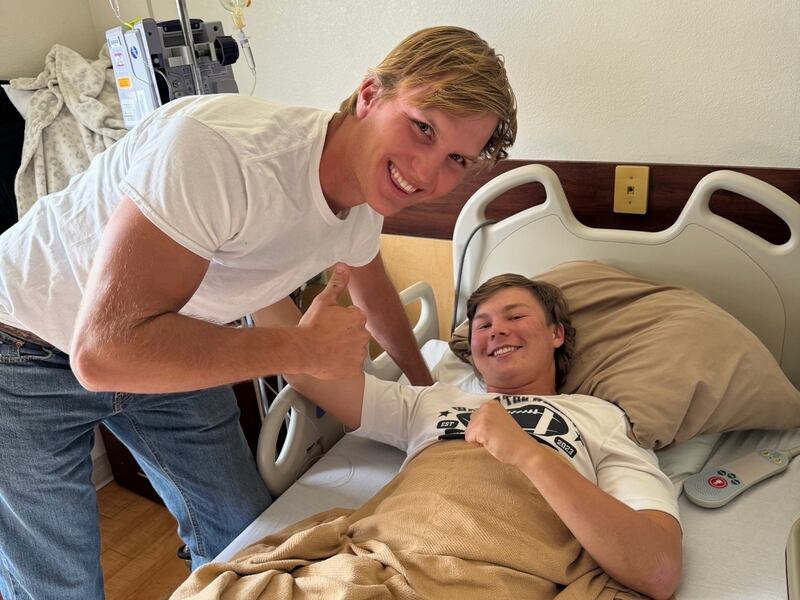
The Davises reached out to family friend Alan Rhodes, who fast-tracked Wyatt to the proper doctors to diagnose him as quickly as possible. The news was devastating. Medical professionals found hyperintense lesions on Wyatt’s brain, caused by multiple sclerosis, an autoimmune disorder affecting less than 5,000 children in the United States.
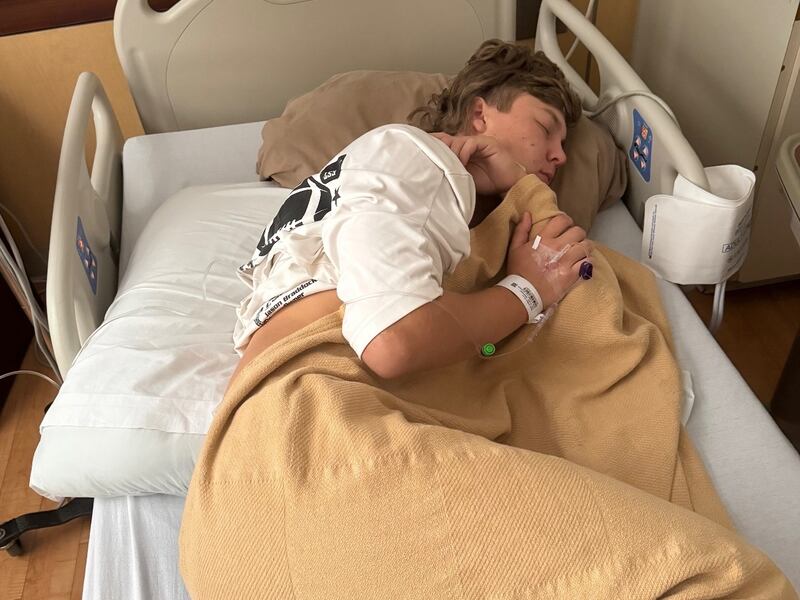
“It was the worst day of my life,” Shea Davis, Wyatt’s father, said. He shook his head in sorrow. “It’s hard to talk about. I mean, I could hardly breathe.”
ADVERTISEMENT
Wyatt’s mother, Jodie Davis, was the first to hear the news. She was in the car with him, driving to Dallas with tickets to the Texas vs. Oklahoma football game. She pulled over to a gas station in Childress to get out of the car.
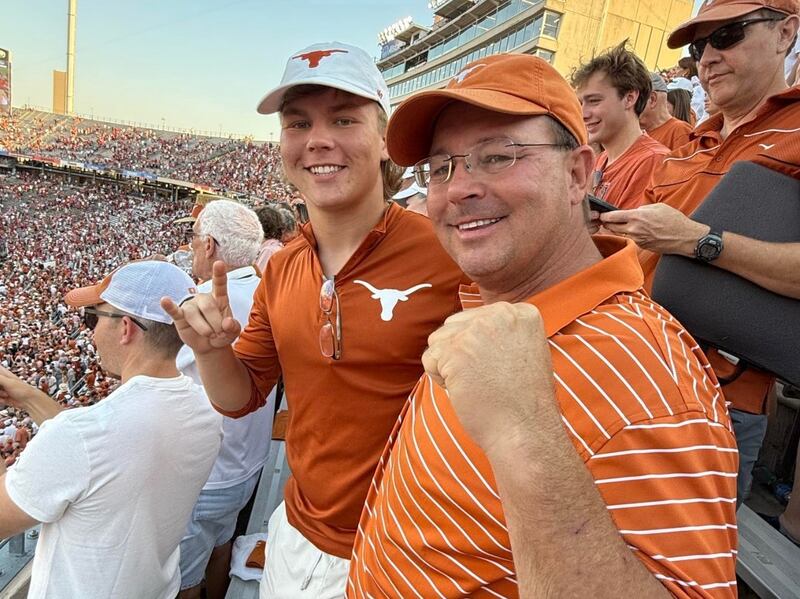
“He told me, and I fell on the floor. It was devastating,” she said. She gathered her breath, recounting how she told Shea later that evening. “I didn’t know how to tell him. We screamed, we cried.”
The news was eventually broken to Wyatt, who began staring at a potential future without football: one without the passion he “eats, lives, and breathes.”
“I was coming to the conclusion that I wasn’t going to get to play football again,” Wyatt said. “It all came full circle what was happening.”

One of Wyatt’s doctors, a former hockey player, put his fears to rest. He explained that an MS diagnosis wasn’t a head injury, but a neurological disorder.
ADVERTISEMENT
Just two games after his diagnosis, he was medically cleared to play again, taking the field against Friona. By that time, Wyatt didn’t just have Canadian cheering him on, but the power of the entire Texas Panhandle.
He received messages from across the area, from coaches, to media figures, and even musical artists. Teams across the Panhandle, including the ones he played against, wore helmet stickers with “44,” Wyatt’s number.
0 of 19
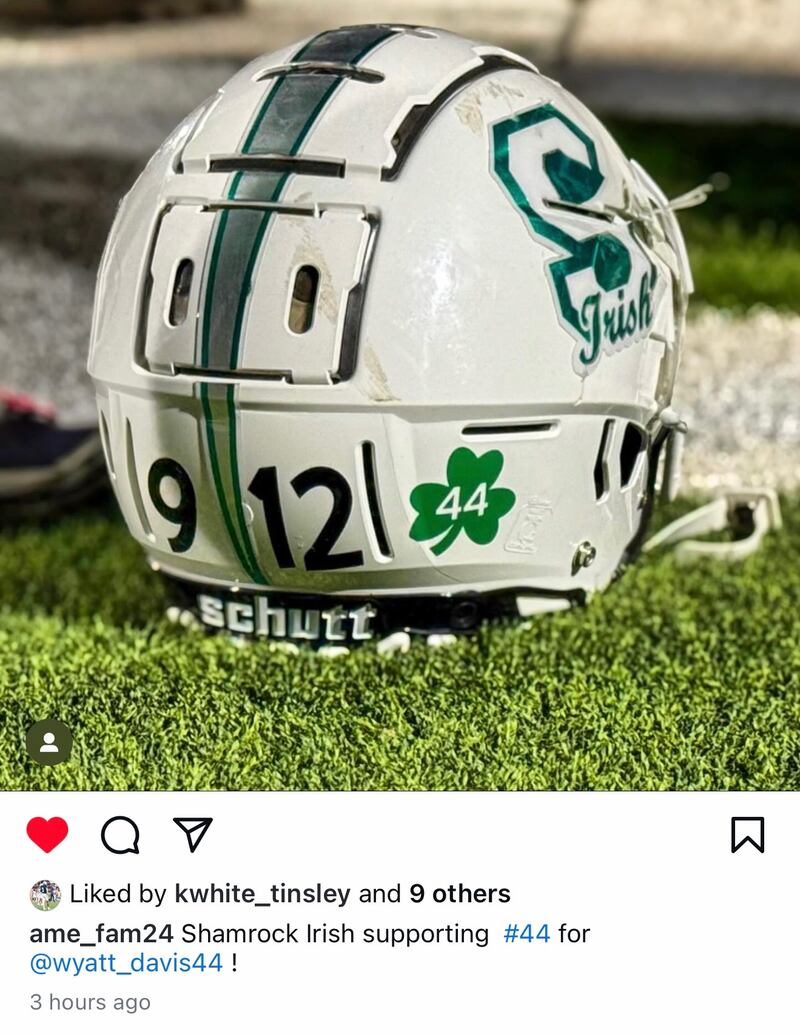
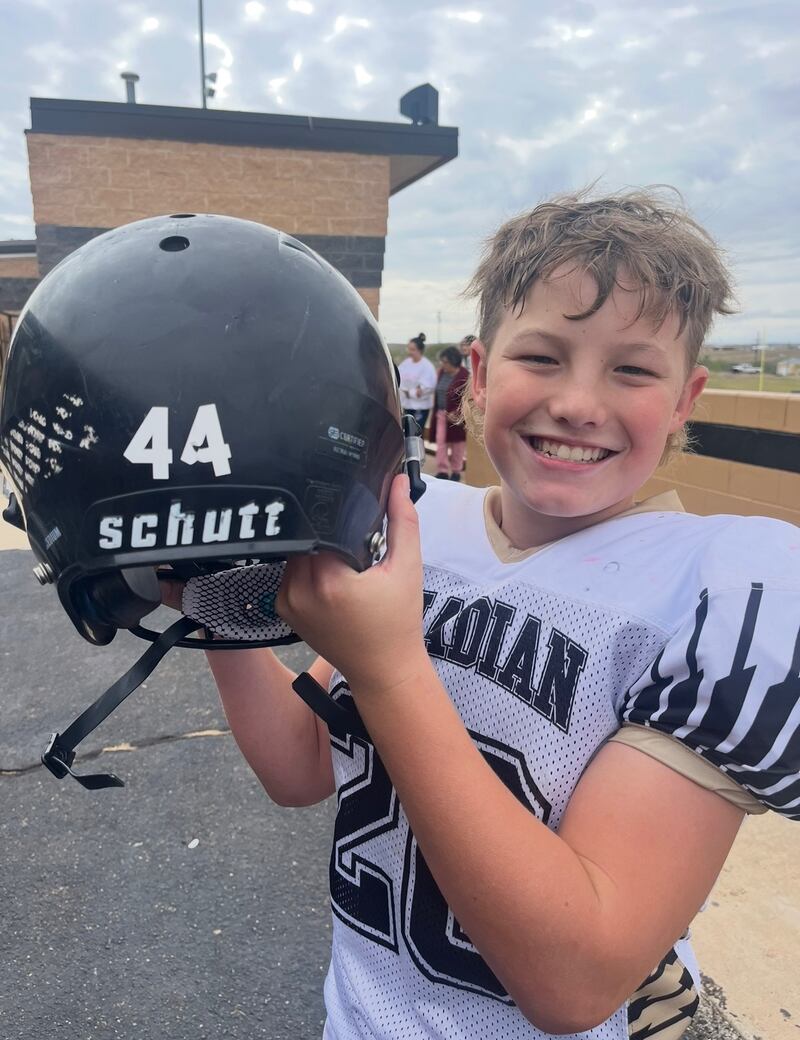
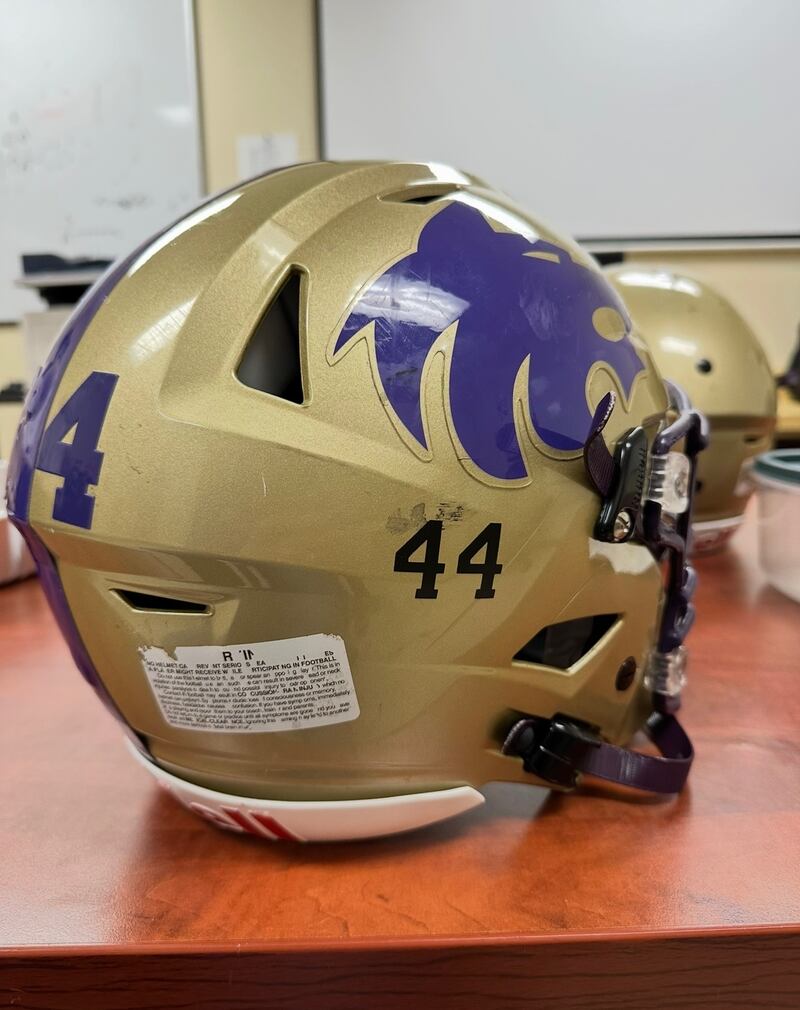

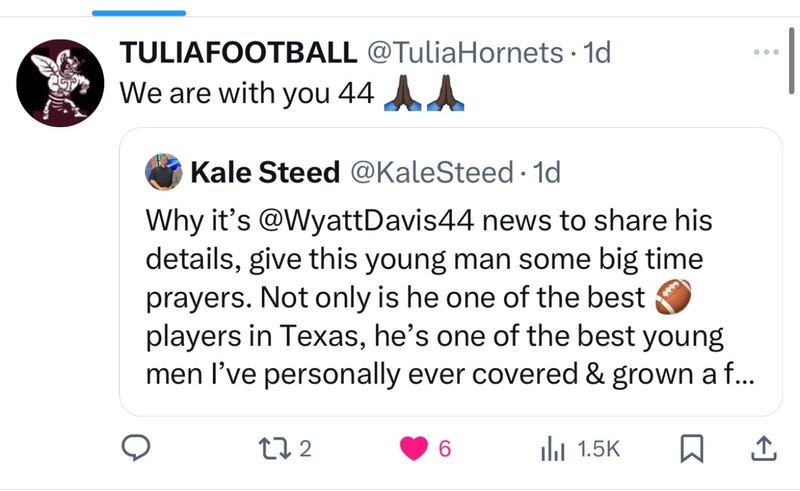
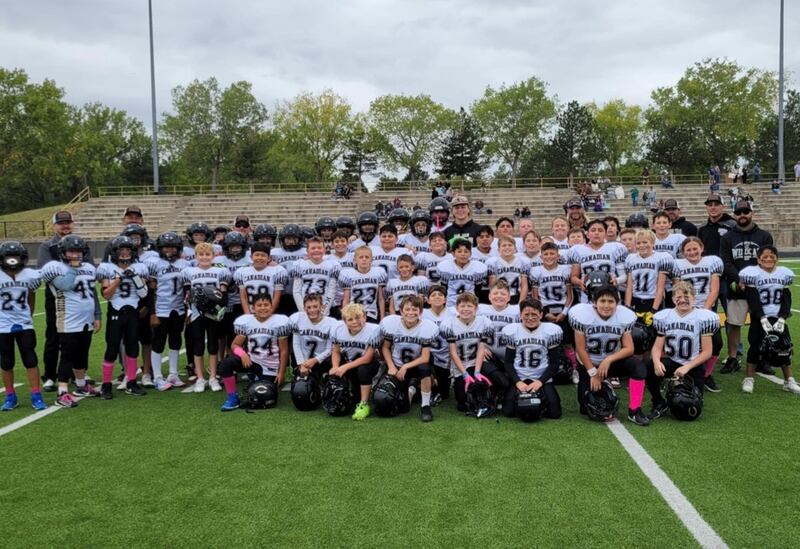
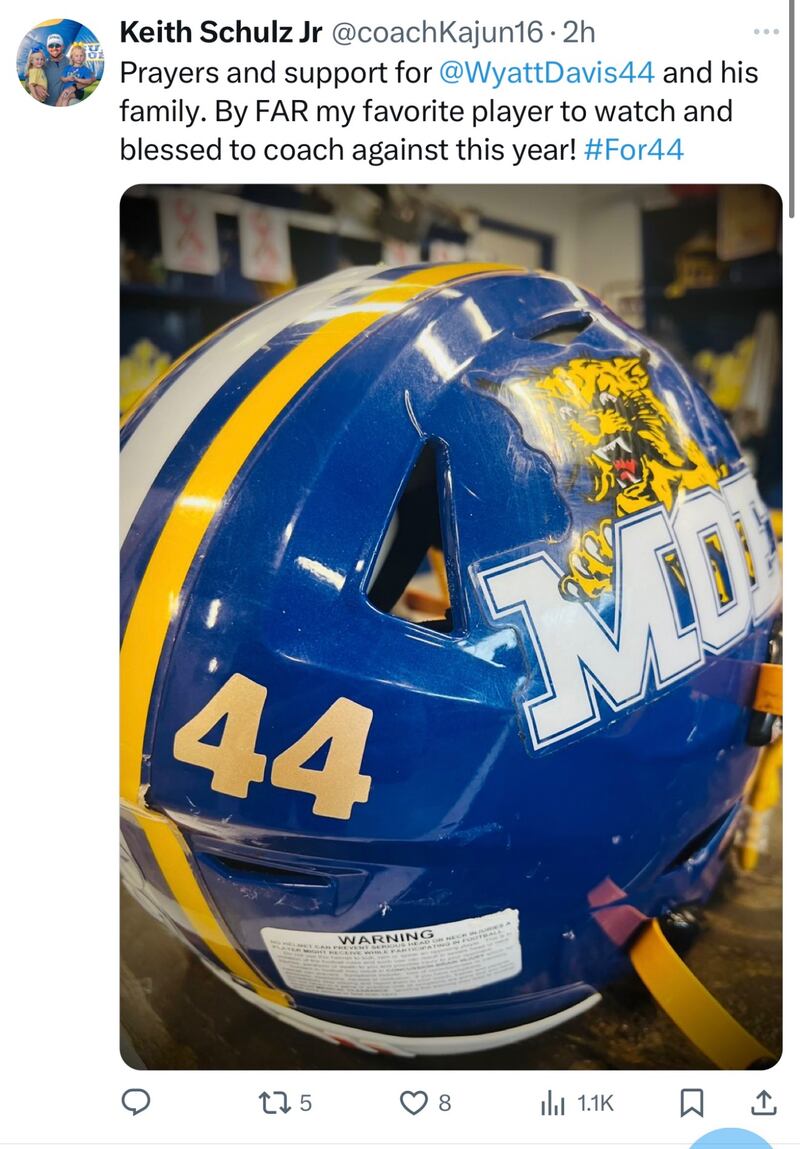
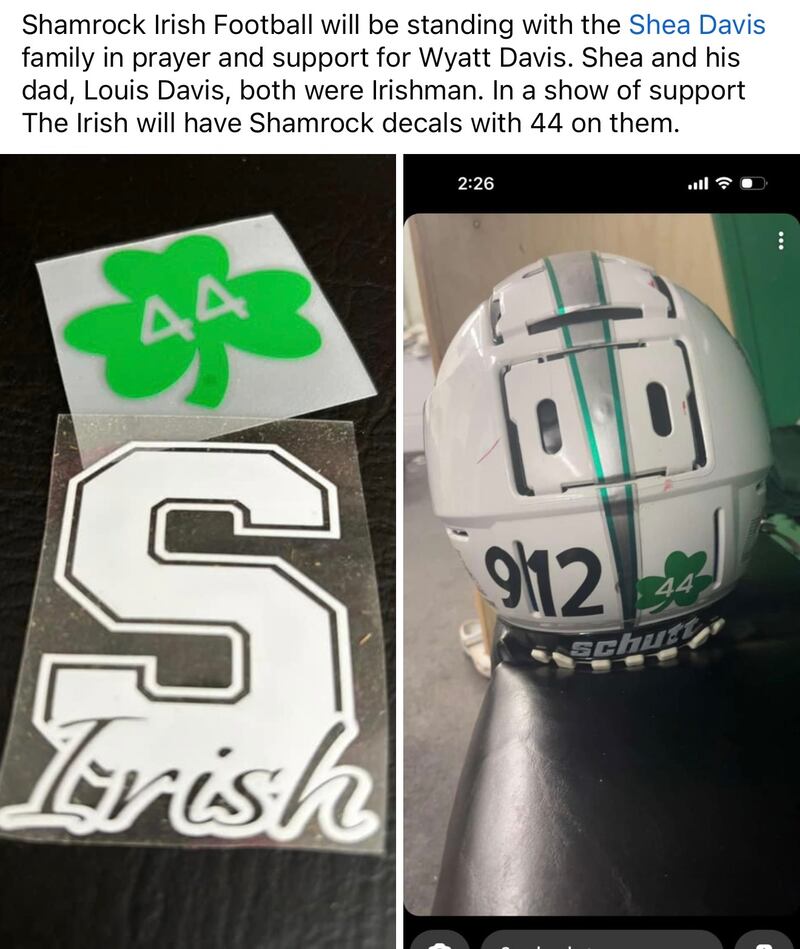
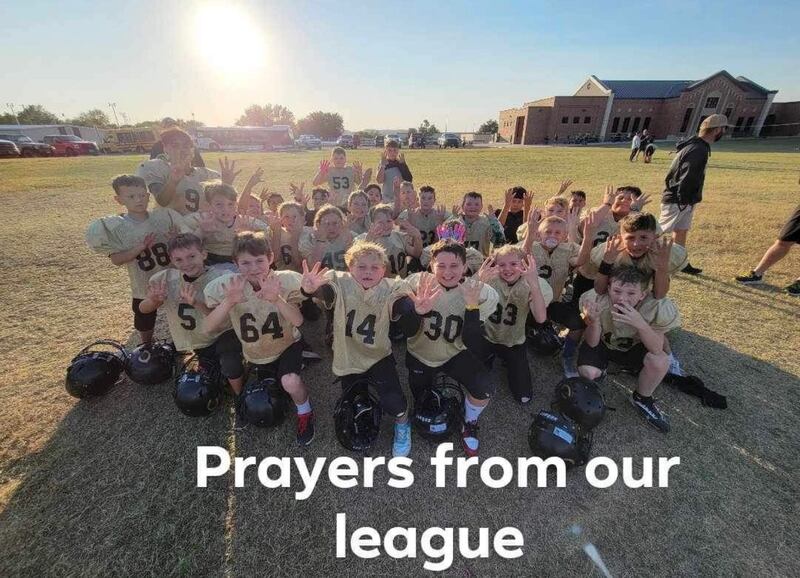
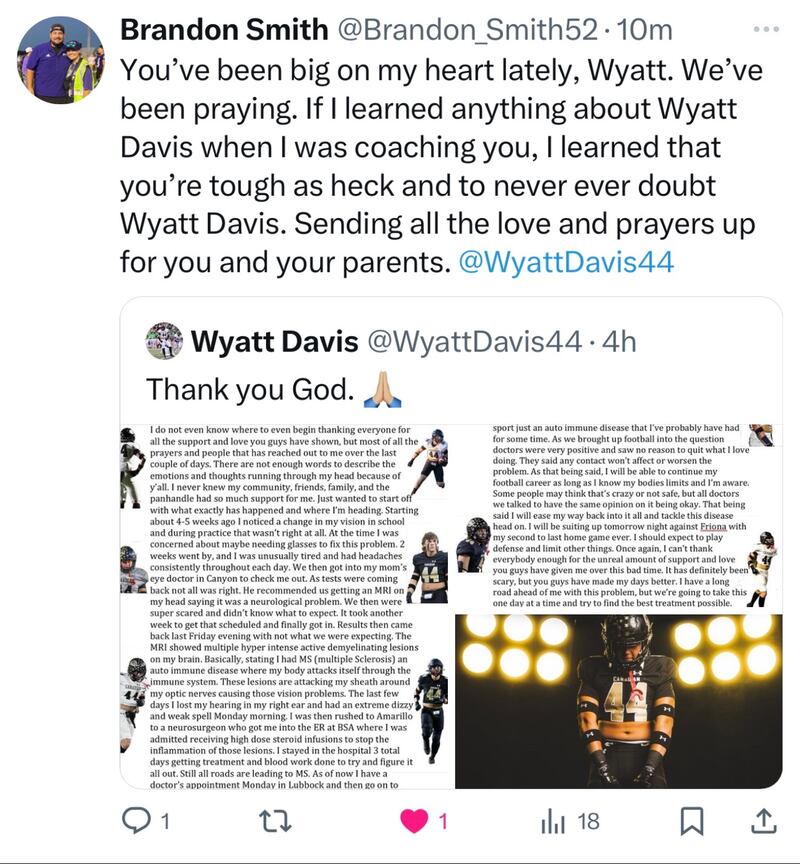
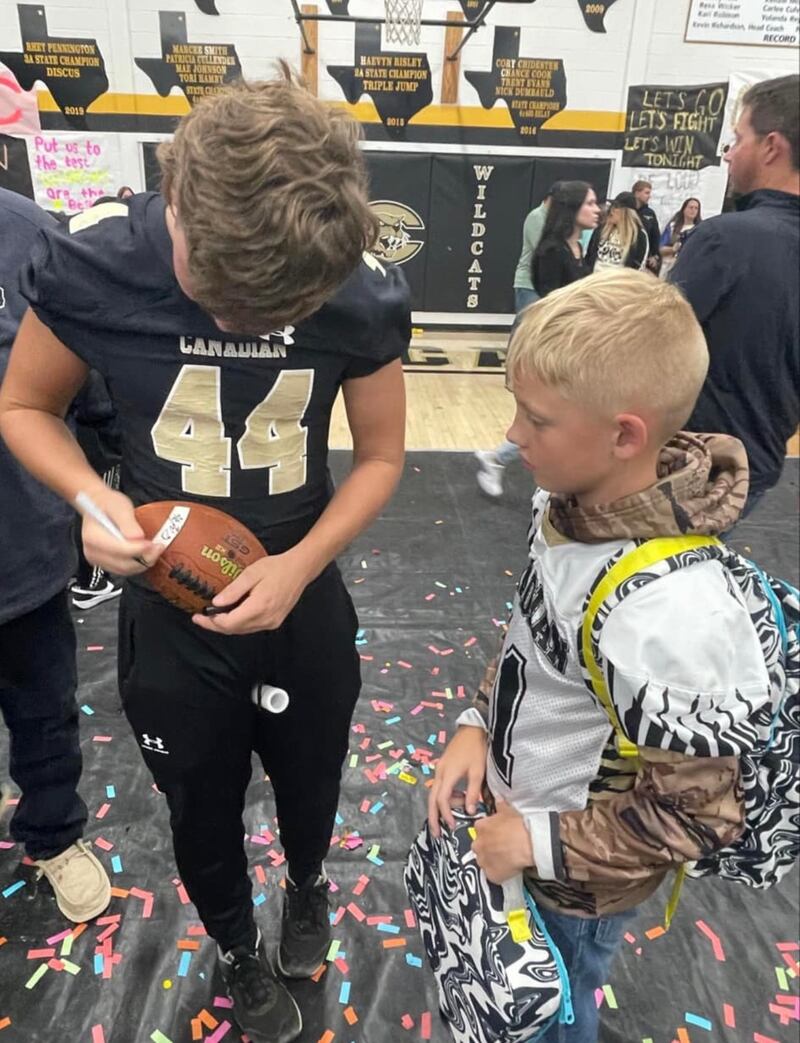
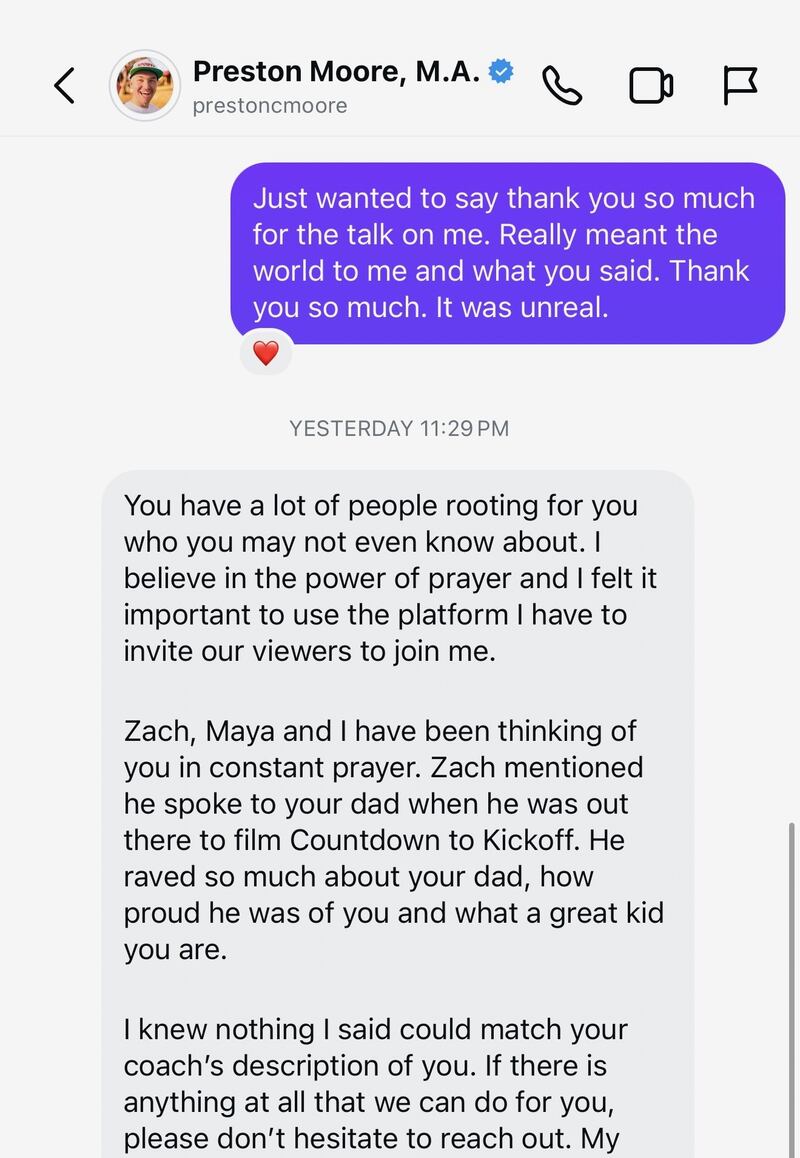
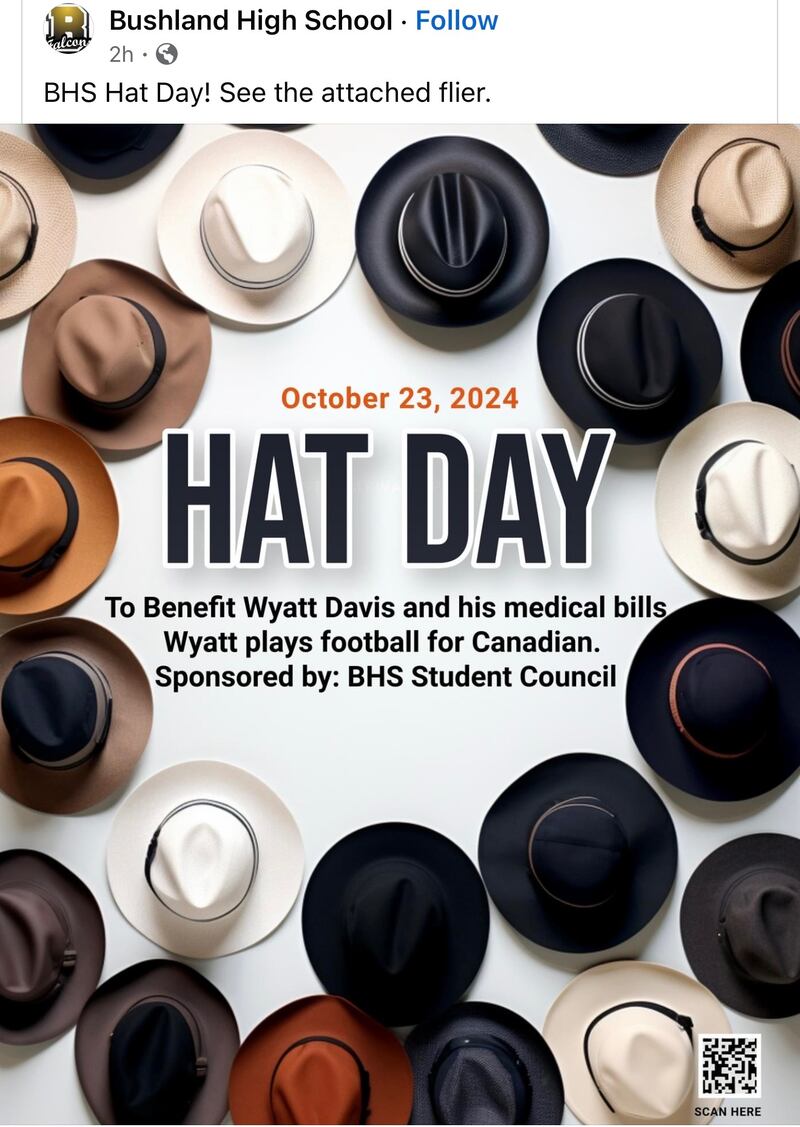
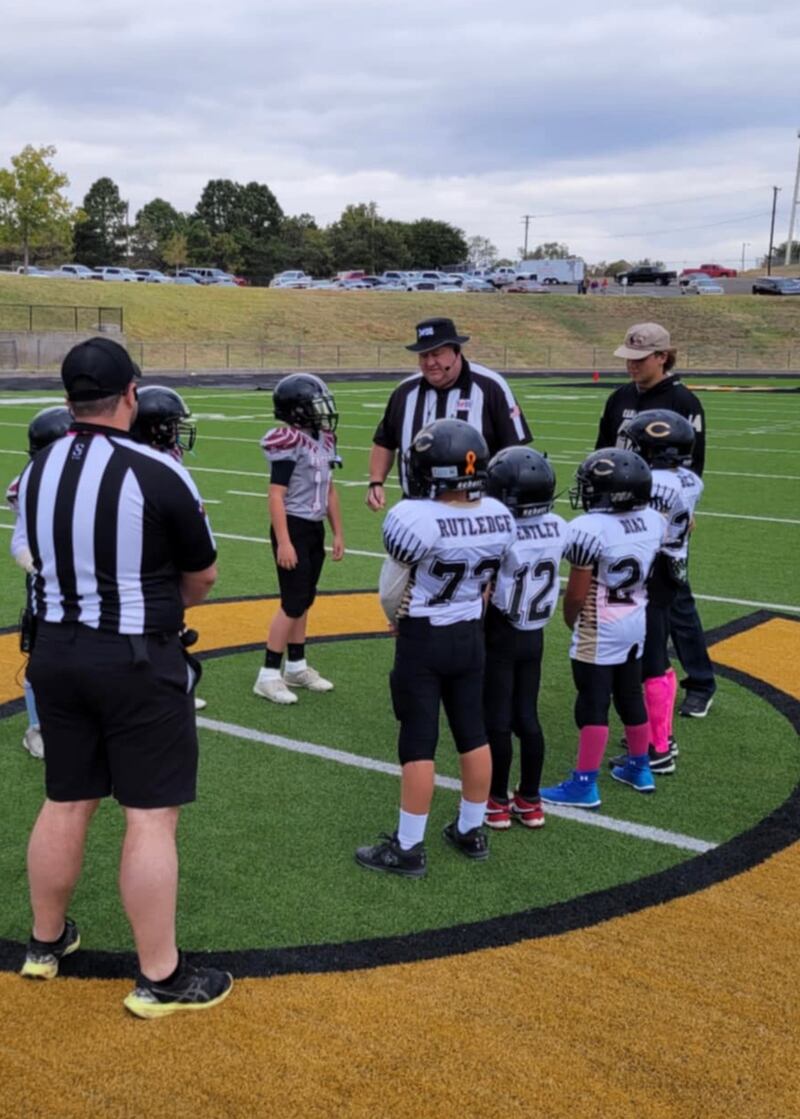
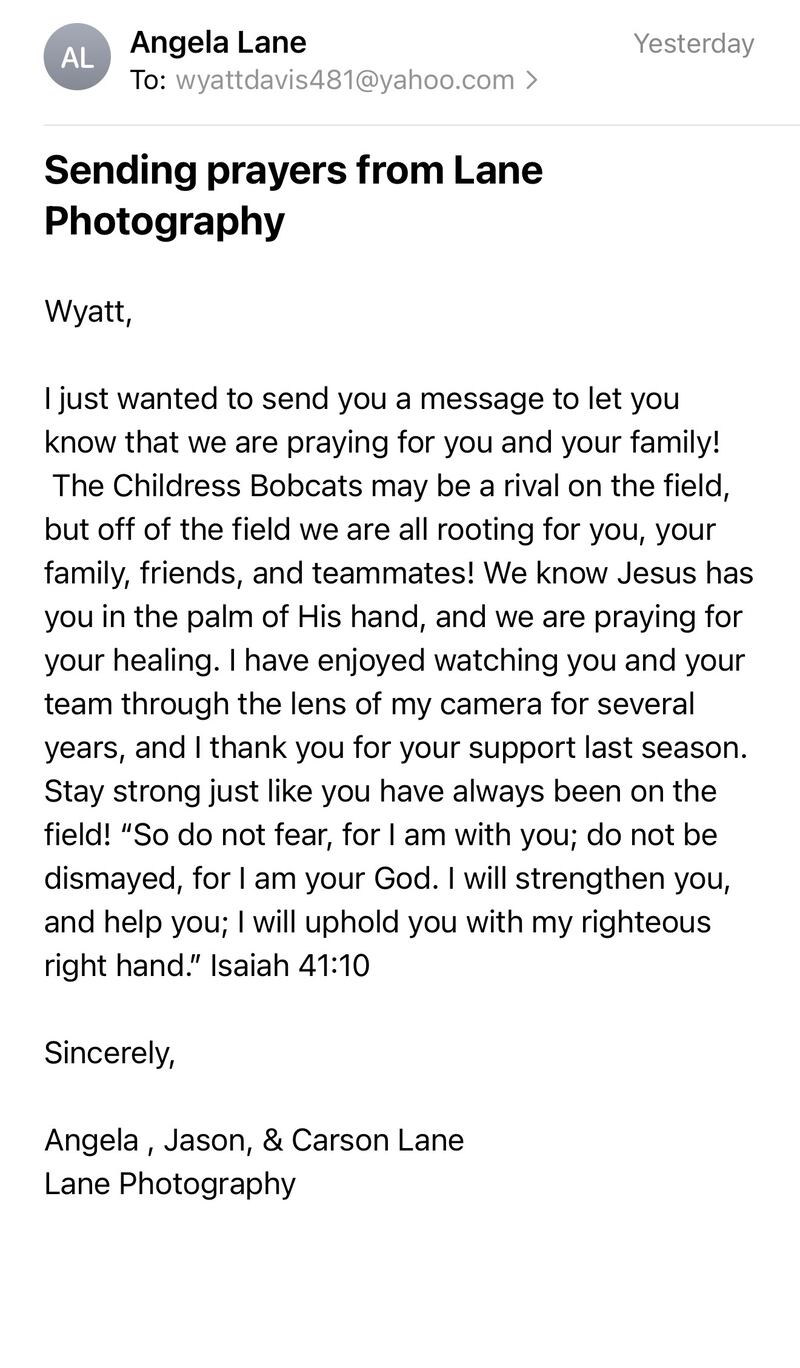
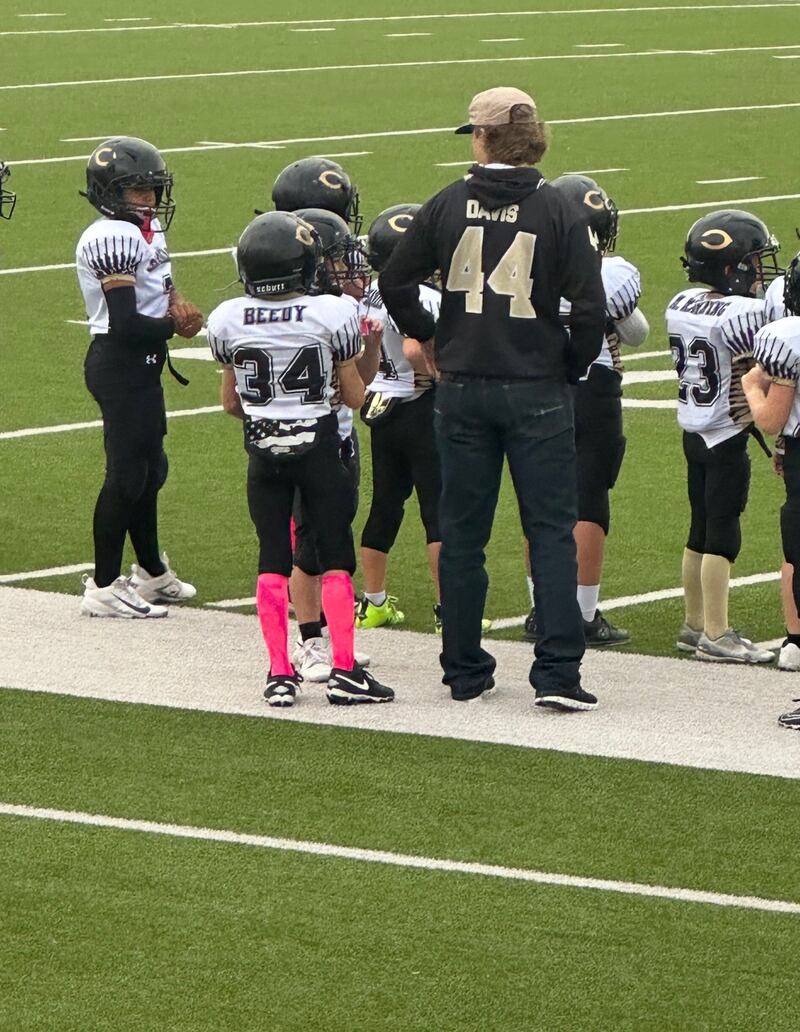
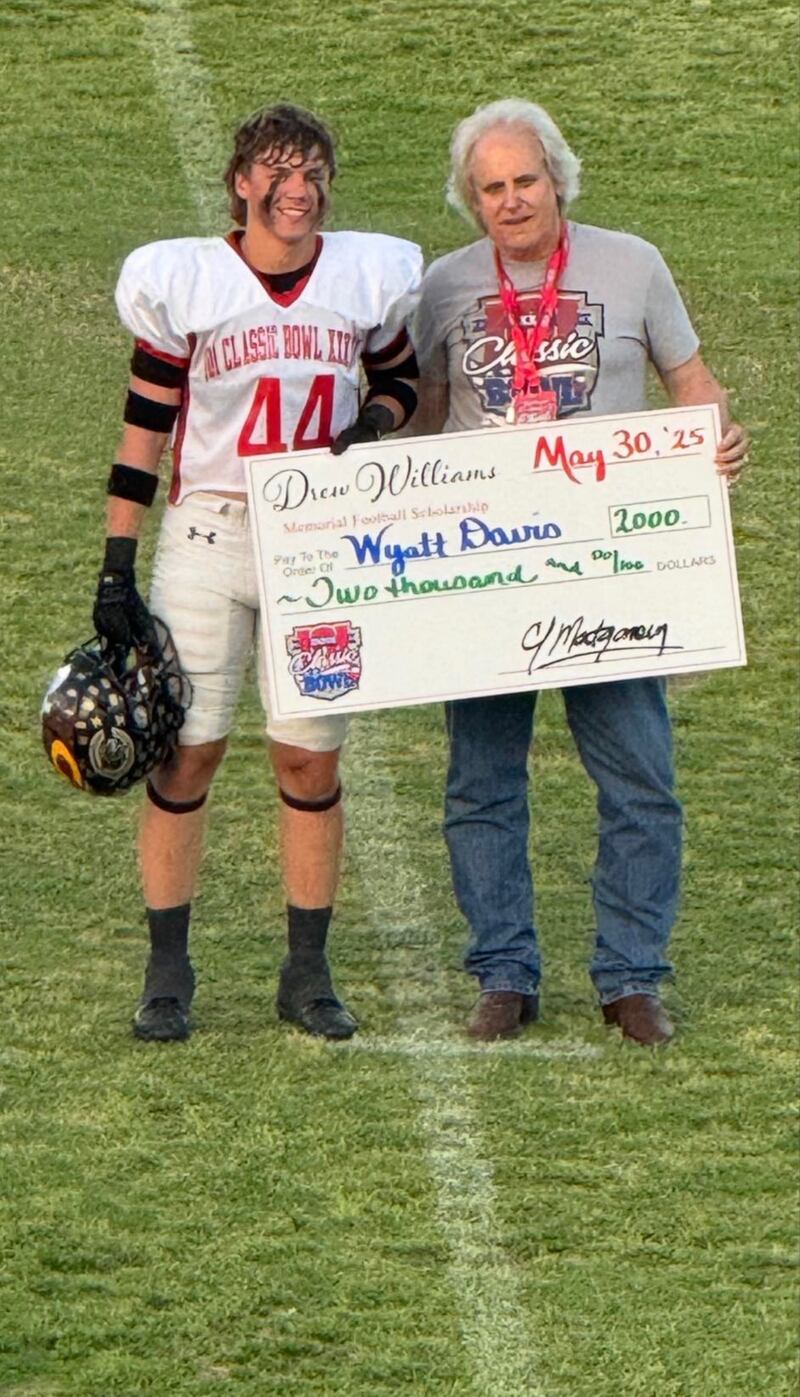
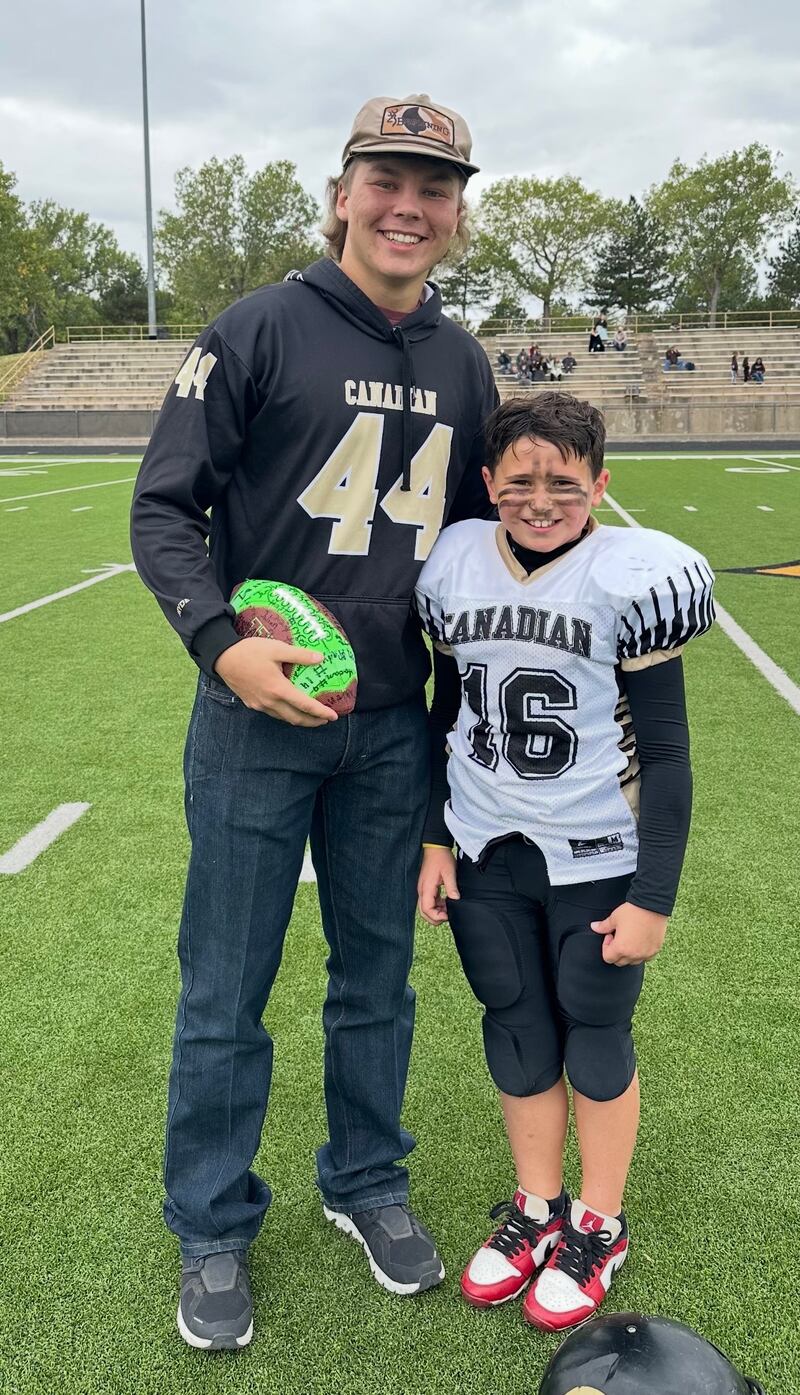
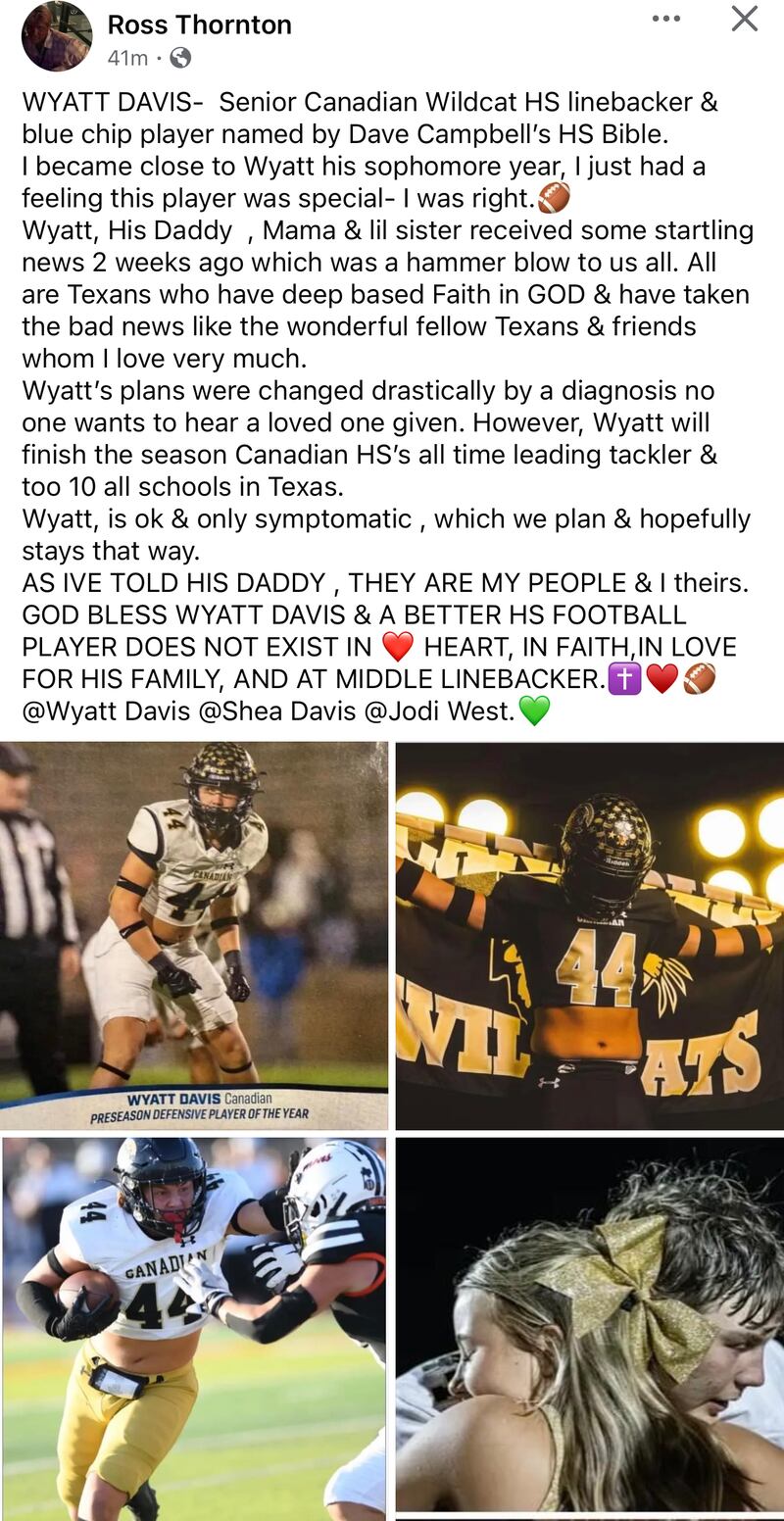
“The whole community surrounded us and started praying for us and helping us,” Jodie said.
With Wyatt back on the field, Canadian defeated Friona by a score of 63-14, snapping a two-game losing streak. The Wildcats won their next four games by a combined score of 200-22.
Canadian went on advance to the state quarterfinals, where the Wall Hawks ended their season. Despite the loss, Wall head coach Craig Slaughter was specifically generous.
“Him and Wyatt still have contact to this day,” Shea said. “They’re just great humans. Of course, they care about winning, but it’s not all about winning.”
Wyatt later committed to play football at Johns Hopkins University, one of the top MS research centers in the nation. As fate would have it, the Blue Jays were heavily recruiting him long before his diagnosis.
“They recruited me more than nearly any other school,” Wyatt said. “I mean, they really, really wanted me.”
Johns Hopkins is in Baltimore, nearly 1,500 miles away from Canadian High School. His other finalist, Lubbock Christian, would’ve been nearer, but his parents take solace in the knowledge that Wyatt will have top-of-the-line medical care readily available for him.
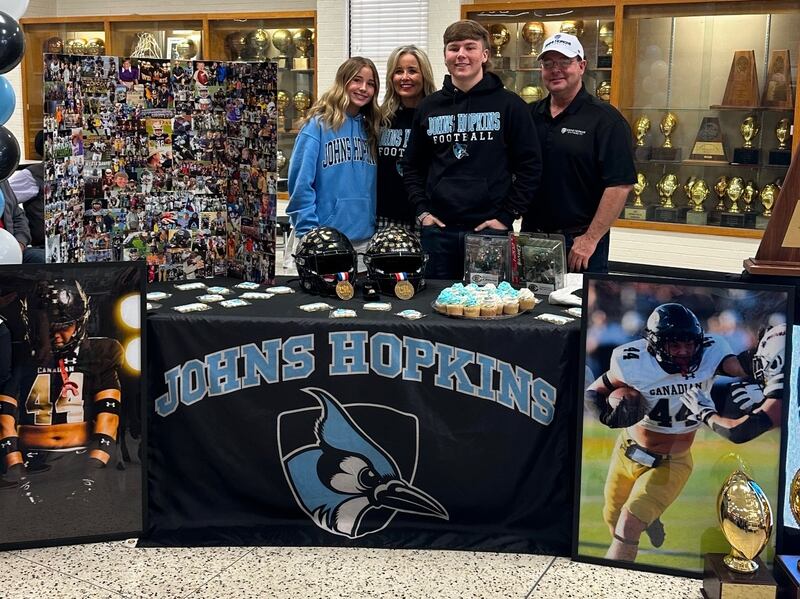
“They said, ‘What better place for him to be than right here with us?’” Jodie said.
ADVERTISEMENT
Not only are Wyatt’s medical boxes checked, but his football boxes, too. The Blue Jays were Division III national semifinalists in 2024.

“Wyatt’s going from one of the best programs in the state, to one of the best programs in the nation,” Shea said.
Wyatt’s inspiring senior year comeback etched his name into the Texas Panhandle high school football history books.
He said he feels safe at Johns Hopkins, but knows it’s only a temporary stop on his journey.
“I hate that I’m gonna be so far off, but hopefully, I’ll make a return back down here after it’s all said and done,” Wyatt said.
Copyright 2025 KFDA. All rights reserved.